
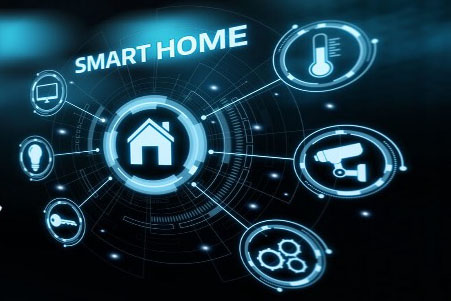

In recent years, the concept of smart homes has transitioned from a futuristic dream to a rapidly growing reality, particularly in India. With the increasing availability of affordable technology, along with the rise of IoT (Internet of Things), more homeowners are embracing smart home solutions to enhance convenience, security, energy efficiency, and comfort. The Indian market, which has long been known for its tech-savvy population, is now seeing a surge in the adoption of smart home technologies, driven by growing awareness and the desire for modern living.
The Rise of Smart Homes in India
The growing demand for smart homes in India can be attributed to several factors. First and foremost is the increasing availability of high-speed internet and affordable smartphones, which have made it easier for people to connect and control their home devices. As more people gain access to the internet, the scope of smart home devices continues to expand, allowing homeowners to automate various aspects of their daily lives.
The convenience of controlling household systems through mobile apps, voice commands, and automated routines has made smart homes an attractive option for urban dwellers. With busy lifestyles and a growing need for security, many Indian homeowners are opting for smart home technology to make their homes safer, more efficient, and more enjoyable.
Popular Smart Home Devices in India
India's smart home market is diverse, offering a range of devices designed to improve functionality and enhance living experiences. Some of the most popular smart home technologies include:
Smart Lighting Systems
Smart lighting is one of the most accessible and popular smart home solutions in India. These systems allow users to control lighting remotely via smartphones or voice assistants like Amazon Alexa, Google Assistant, or Apple HomeKit. Homeowners can set schedules, adjust brightness, and even change the color of lights, enhancing both convenience and ambiance. Additionally, smart lighting systems can be integrated with motion sensors and energy-efficient bulbs, promoting sustainability by reducing energy consumption.
Smart Security Systems
With increasing concerns over home security, smart security devices are gaining traction in Indian homes. These systems include smart doorbells, security cameras, motion sensors, and smart locks. Users can monitor their homes in real time via smartphones, receiving instant alerts about suspicious activity. Smart cameras with features like two-way audio, night vision, and motion detection make it easier to monitor entrances and keep track of who is at the door.
Smart locks offer added convenience by allowing homeowners to lock or unlock doors remotely, ensuring their home is always secure. These systems can also integrate with facial recognition and fingerprint scanning for advanced security.
Smart Thermostats and Climate Control
Climate control is essential in India, where temperatures can vary drastically. Smart thermostats and air conditioning systems allow homeowners to regulate temperature settings remotely. These systems learn user preferences and adjust the temperature automatically based on time of day or occupancy, leading to energy savings. Additionally, with rising pollution levels in some cities, smart air purifiers are becoming a key component of smart homes, offering real-time air quality monitoring and purification.
Voice Assistants
The popularity of voice assistants like Amazon Alexa, Google Assistant, and Apple Siri has significantly boosted the growth of smart homes in India. These devices act as hubs for controlling a wide variety of smart home gadgets, from lighting to security systems to entertainment. Voice commands make it easy to operate multiple devices hands-free, offering a level of convenience and accessibility that appeal to all age groups.
Smart Appliances
Smart kitchen appliances, such as refrigerators, washing machines, and ovens, are also gaining popularity in India. These appliances can be controlled remotely through mobile apps, enabling users to start, pause, or schedule tasks from anywhere. For example, a smart refrigerator can notify the user when groceries are running low, or a washing machine can be programmed to start a wash cycle when electricity rates are lower.
The Benefits of Smart Home Technology
Smart home technology in India offers several advantages that appeal to homeowners:
1. Convenience and Control
The ability to control home systems remotely adds a new layer of convenience to daily life. Whether it's adjusting the temperature, turning off lights, or checking security cameras, smart home devices allow homeowners to manage their home environment with ease, from anywhere and at any time.
2. Energy Efficiency and Cost Savings
Smart home systems, particularly those for lighting, heating, and cooling, are designed to be energy-efficient. By automating energy use and optimizing settings based on occupancy and preferences, homeowners can significantly reduce their energy consumption, which translates into lower utility bills.
3. Enhanced Security
Smart security devices provide peace of mind by offering 24/7 monitoring and instant alerts. With features like motion detection, video surveillance, and smart locks, homeowners can easily secure their property and monitor activities remotely, which is especially important in metropolitan areas.
4. Personalization and Comfort
Smart home technology can be tailored to individual preferences. For instance, smart lighting and thermostats can be programmed to adjust automatically according to the homeowner's lifestyle. This level of personalization adds to the overall comfort and ease of living in a smart home.
Challenges and the Future of Smart Homes in India
Despite the many advantages, there are challenges in the widespread adoption of smart home technology in India. The initial cost of installation can be a barrier for some homeowners, as many smart devices can be expensive. Additionally, technical issues such as compatibility between devices, internet connectivity, and data privacy concerns are issues that need to be addressed as the market matures.
However, the future of smart homes in India looks promising. As technology becomes more affordable and user-friendly, and as awareness of the benefits of smart home living grows, the adoption of smart homes is expected to increase exponentially. The rise of affordable devices, coupled with increased interest in sustainability and automation, positions India as a significant player in the global smart home market.
Conclusion
Smart home technology is revolutionizing the way people live in India, offering enhanced convenience, security, and energy efficiency. As the adoption of these technologies grows, India’s urban landscape will likely continue to evolve, with homes becoming more connected and intelligent. With ongoing advancements in technology and growing awareness, the emerging trend of smart homes in India is poised to become an integral part of modern living.