
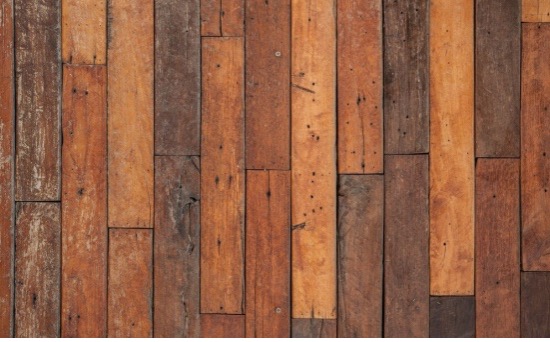
What is Reclaimed Wood?
Reclaimed wood, also known as recycled or salvaged wood, refers to timber that has been previously used in old buildings, structures, or furniture and is then repurposed for new projects. This wood can come from a variety of sources, including old barns, warehouses, factories, and even ships. Rather than cutting down new trees, reclaimed wood is salvaged and restored, often giving it a second life in modern interior spaces.
The wood is carefully removed from its original location, cleaned, treated, and then reworked into new furniture, flooring, or architectural elements. This process not only preserves the wood’s character and patina but also prevents unnecessary deforestation and waste, making it a valuable resource for sustainable interior design.
The Popularity of Reclaimed Wood
The growing appeal of reclaimed wood in interiors is a reflection of a larger global movement towards sustainable living. With climate change and environmental degradation at the forefront of public concerns, people are increasingly looking for ways to reduce their carbon footprints, and interior design is no exception. Reclaimed wood allows homeowners and designers to achieve a rustic, natural, and timeless look without contributing to deforestation.
The unique character of reclaimed wood—marked by its weathered finish, rich grains, and imperfections—adds charm and authenticity to any space. Each piece of reclaimed wood tells a story, with knots, discoloration, and natural wear that make it one-of-a-kind. As more people seek individuality in their interior spaces, reclaimed wood offers a sustainable way to incorporate history and personality into modern design.
How is Reclaimed Wood Used in Interiors?
Reclaimed wood can be used in a variety of ways to add texture, warmth, and character to interior spaces. Some of the most common uses include:
1. Flooring
One of the most popular uses of reclaimed wood is for flooring. The durability and unique patina of aged wood make it ideal for creating stunning hardwood floors. Reclaimed wood floors not only look beautiful but also tend to be more stable than new wood, as they have already been subjected to environmental changes. This makes them a long-lasting and eco-friendly flooring option.
2. Furniture
Reclaimed wood is often used to create custom furniture pieces such as dining tables, coffee tables, shelving units, and sideboards. The rustic, weathered look of the wood lends a vintage feel to modern furniture designs, making each piece unique. The natural imperfections, such as nail holes or slight cracks, add to the charm of the furniture and make it stand out.
3. Wall Cladding
Reclaimed wood is also widely used as wall cladding to create feature walls, accent walls, or entire wooden paneling installations. The textured surface of reclaimed wood adds depth and warmth to a space, making it an excellent choice for living rooms, bedrooms, and even kitchens. A reclaimed wood wall can instantly transform a room into a cozy and inviting space.
4. Ceiling Beams
Exposed wooden beams are another way to incorporate reclaimed wood into interiors. Whether used to create an industrial or rustic look, reclaimed wood ceiling beams add character to any room. They can be used in both traditional and contemporary settings, providing a sense of history and craftsmanship.
5. Cabinetry and Countertops
Reclaimed wood is increasingly being used for kitchen cabinetry and countertops, offering a natural and sustainable alternative to modern manufactured wood options. The unique texture and rich tones of reclaimed wood create warm, inviting kitchen spaces with a touch of rustic elegance.
6. Decorative Accents
In addition to large-scale installations, reclaimed wood can also be used in smaller, decorative items like mirrors, picture frames, clocks, and lighting fixtures. These accents can bring a touch of nature into a room and work well with both modern and traditional decor.
The Environmental and Economic Benefits of Reclaimed Wood
Beyond its aesthetic value, reclaimed wood offers numerous environmental benefits. By using salvaged wood, the demand for newly cut timber is reduced, helping to conserve forests and protect wildlife habitats. Reclaimed wood is also a renewable resource that requires less energy to process compared to new wood, which typically involves extensive logging, milling, and transportation.
From an economic perspective, reclaimed wood can be more affordable than buying new, high-quality timber, especially if it is sourced locally. The prices may vary depending on the rarity and condition of the wood, but it is often less expensive than sourcing virgin timber of the same grade. Additionally, reclaimed wood’s durability and timeless appeal mean that it can add long-term value to a home or business.
Challenges of Using Reclaimed Wood
Despite its many advantages, working with reclaimed wood does come with certain challenges. One of the primary concerns is the availability of high-quality wood. Not all reclaimed wood is suitable for interior use, as some may be too damaged or degraded to be salvaged. Furthermore, the cleaning and processing of reclaimed wood can be labor-intensive, and the final product may require more time and care to prepare compared to using new timber.
However, as demand for reclaimed wood continues to rise, more companies are specializing in the sourcing, restoration, and processing of reclaimed materials, making it easier for designers and homeowners to access high-quality products.
Conclusion
Reclaimed wood is undeniably one of the most popular and sustainable materials in interior design today. Its rich history, natural beauty, and environmental benefits make it an attractive choice for those looking to create unique and eco-friendly spaces. Whether used for flooring, furniture, or decorative elements, reclaimed wood offers a versatile and timeless solution for interior designers and homeowners who value sustainability, craftsmanship, and individuality. As awareness of environmental issues continues to grow, the use of reclaimed wood in interiors is expected to increase, helping to shape a greener, more sustainable future for design.